
18 Paradoxes Every Builder Needs to Internalize

Two years ago I saved a carousel that stuck with me. 18 paradoxes. I kept coming back to it — not because the ideas were new, but because every single one of them showed up in my actual work. Building products, running a studio, making decisions under pressure.
These aren't motivational quotes. They're operational truths. Here's how I see them now, two years deeper into the game.
1. The Growth Paradox
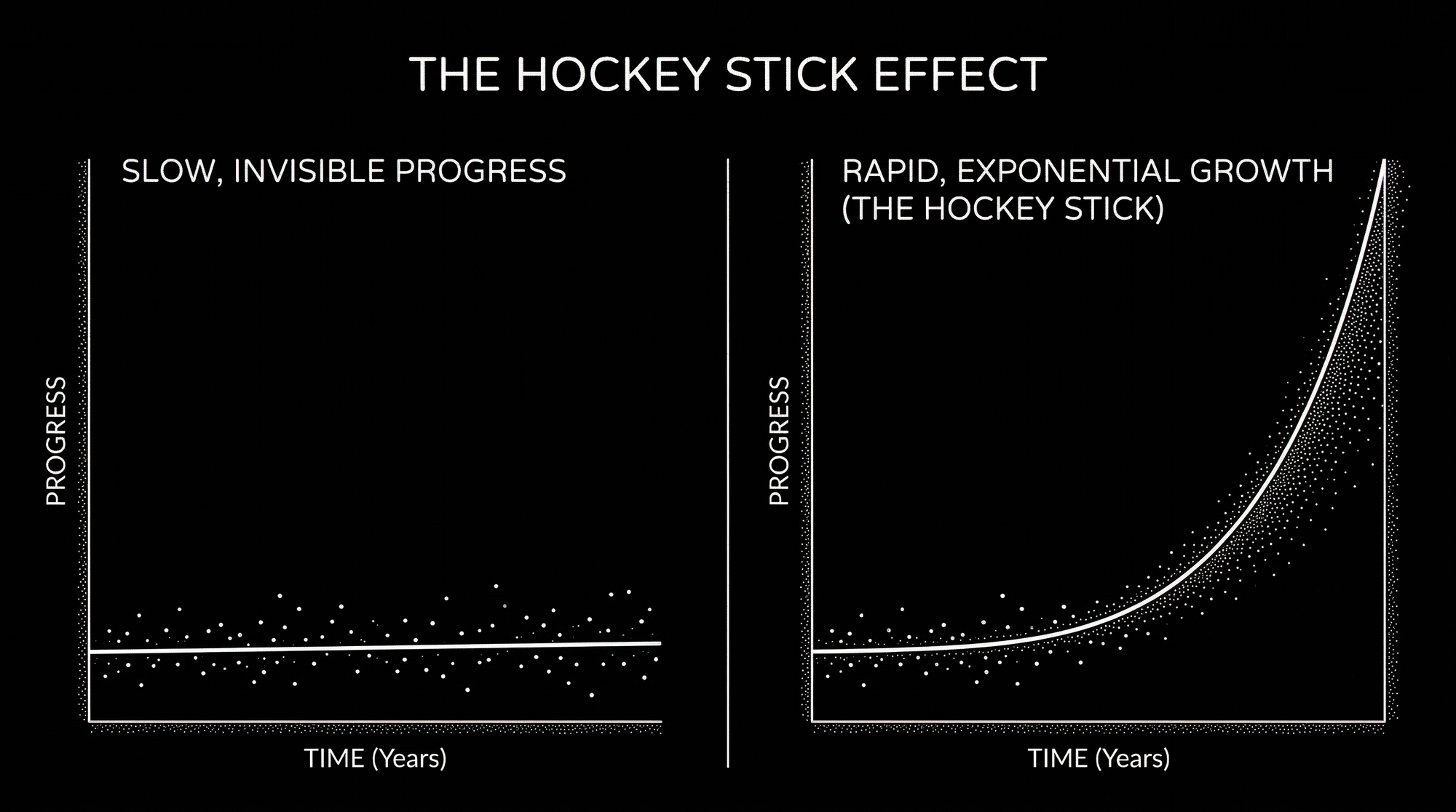
Every product I've built had a phase where nothing seemed to move. Users trickled in. Feedback was sparse. The temptation was to pivot or kill it.
Then something clicked. Not because the product changed overnight — but because the compounding finally became visible.
Most people quit right before the curve bends. The lesson isn't patience. It's trust in your own process while the numbers are still boring.
2. The Intelligence Paradox
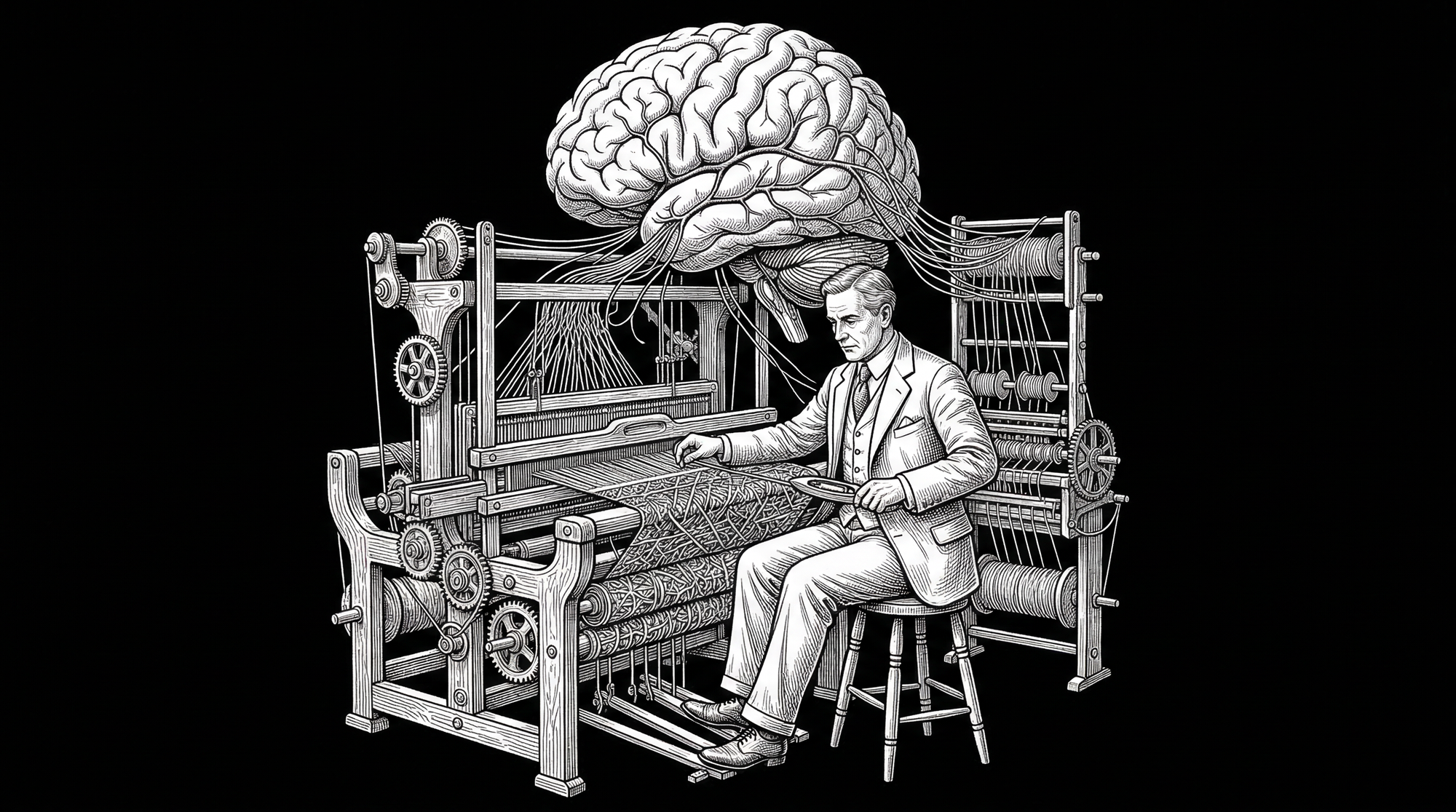
Smart founders overcomplicate everything. I've done it. You architect a system for scale you don't have. You debate framework choices instead of shipping the feature.
The smartest move is often the dumbest-looking one. Ship the ugly version. Use the boring stack. Let your users tell you what's complex — don't invent complexity on their behalf.
Your brain is a tool. Don't let it run the show.
3. The Effort Paradox

The products that feel simple took the most work. That clean onboarding flow? Fifteen iterations. That "obvious" API design? Three rewrites.
Effortless is a result, not a starting point. The market rewards polish but never sees the grind behind it. If your product looks easy to build, you've done your job.
4. The Hard Things Paradox
I chose Laravel + Next.js over an all-in-one framework. Harder upfront. More moving parts. But now every product in the studio shares a clean separation of concerns, and spinning up a new venture takes days instead of months.
The hard choice early is the easy life later. Easy choices now — cutting corners on architecture, skipping tests, avoiding hard conversations with co-founders — those compound into nightmares.
Hard now, easy later. Every time.
5. The Mastery Paradox

I used to grind 16-hour days thinking volume equaled velocity. It doesn't. The best code I write comes after rest. The best product decisions come after stepping away.
Forcing output when you're depleted just creates technical debt — in your code and in your head. Balanced effort, not brute force.
6. The Persuasion Paradox
I used to fight every bad take on Twitter. PHP is dead? Here's my 10-tweet thread. Wrong framework opinion? Let me correct you.
Didn't persuade a single person. What did? Building things that worked. Shipping in public. Showing the receipts.
The loudest person in the room is rarely the most convincing. Ask questions. Let your work speak. The right people will notice.
7. The Failure Paradox
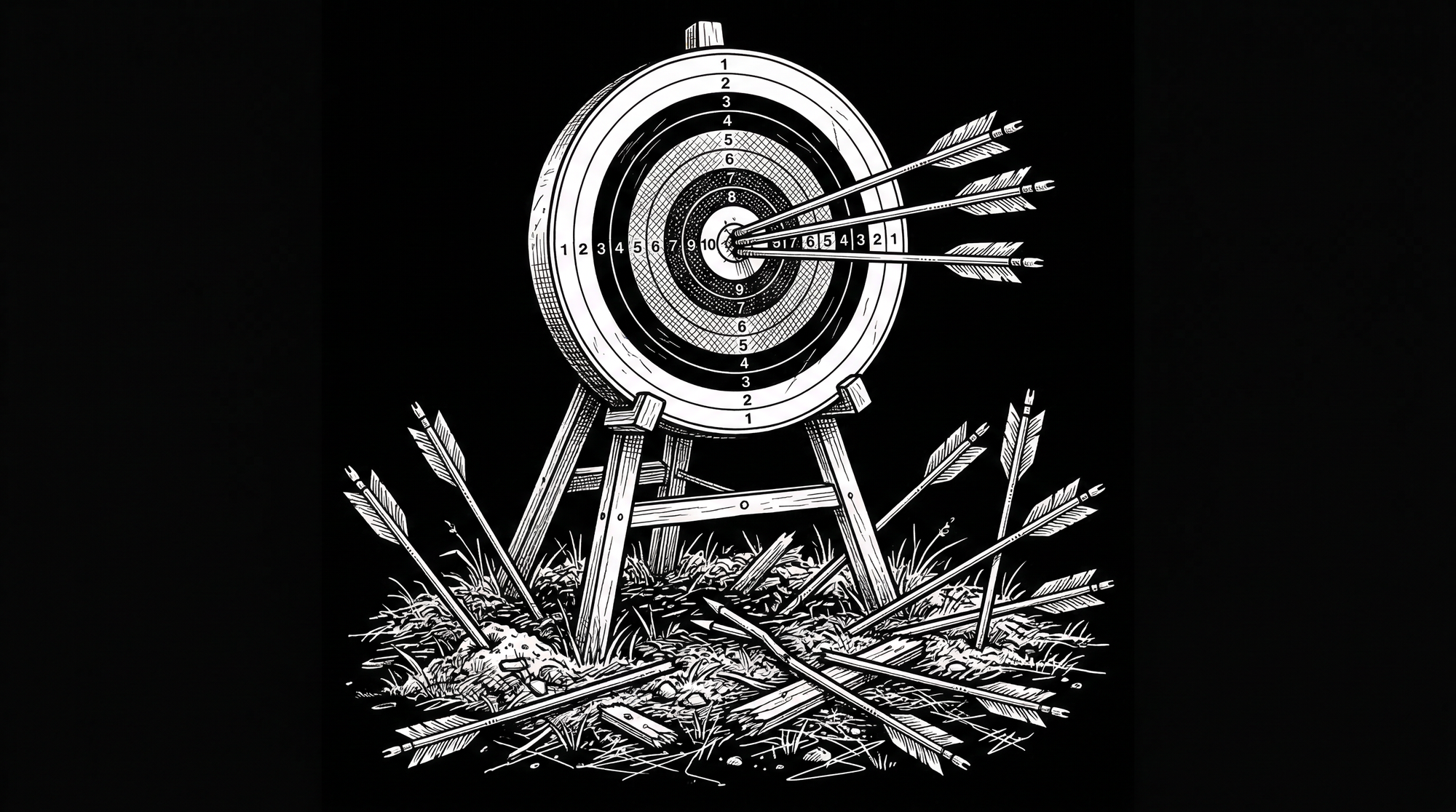
My first SaaS product flopped. My second one barely broke even. Each one taught me something I couldn't have learned from a course or a blog post.
Failure isn't a badge of honor — it's data. The only real mistake is failing the same way twice. Fail fast, fail smart, and never stop putting yourself in the arena.
8. The Icarus Paradox

You find a winning formula. A stack that works. A go-to-market that converts. So you stop iterating. You ride the wave.
Then the market shifts and you're caught flat-footed. Early success is dangerous because it creates blind spots. Stay paranoid. Keep questioning what got you here.
9. The Knowledge Paradox

A decade in PHP and I'm more aware of what I don't know now than when I started. Every deep dive into one area exposes five more areas I haven't touched.
This is a feature, not a bug. The founders who think they've figured it all out are the ones who get disrupted. Stay a student. The cave only gets bigger.
10. The Solomon Paradox

I can diagnose someone else's product problem in five minutes. Architecture smells, positioning gaps, distribution blind spots — crystal clear.
My own stuff? I'll agonize for weeks over decisions that an outside observer would solve instantly. The fix: ask yourself what you'd tell your co-founder if it were their problem. Then take your own advice.
11. The Money Paradox

I've spent money on tools I didn't end up using. Hired people who didn't work out. Invested in ideas that went nowhere.
Every one of those losses taught me something I now use daily. The tuition was expensive but the education was priceless. You can't build a real business without skin in the game.
12. The Productivity Paradox

Parkinson's Law is real. Give yourself a week to build a feature and it'll take a week. Give yourself two days and somehow it still gets done.
I stopped measuring productivity by hours logged. Now it's about output per sprint. Work like a lion — intense bursts, then real rest. Not this always-on, Slack-open, pretending-to-be-busy nonsense.
13. The Opportunity Paradox
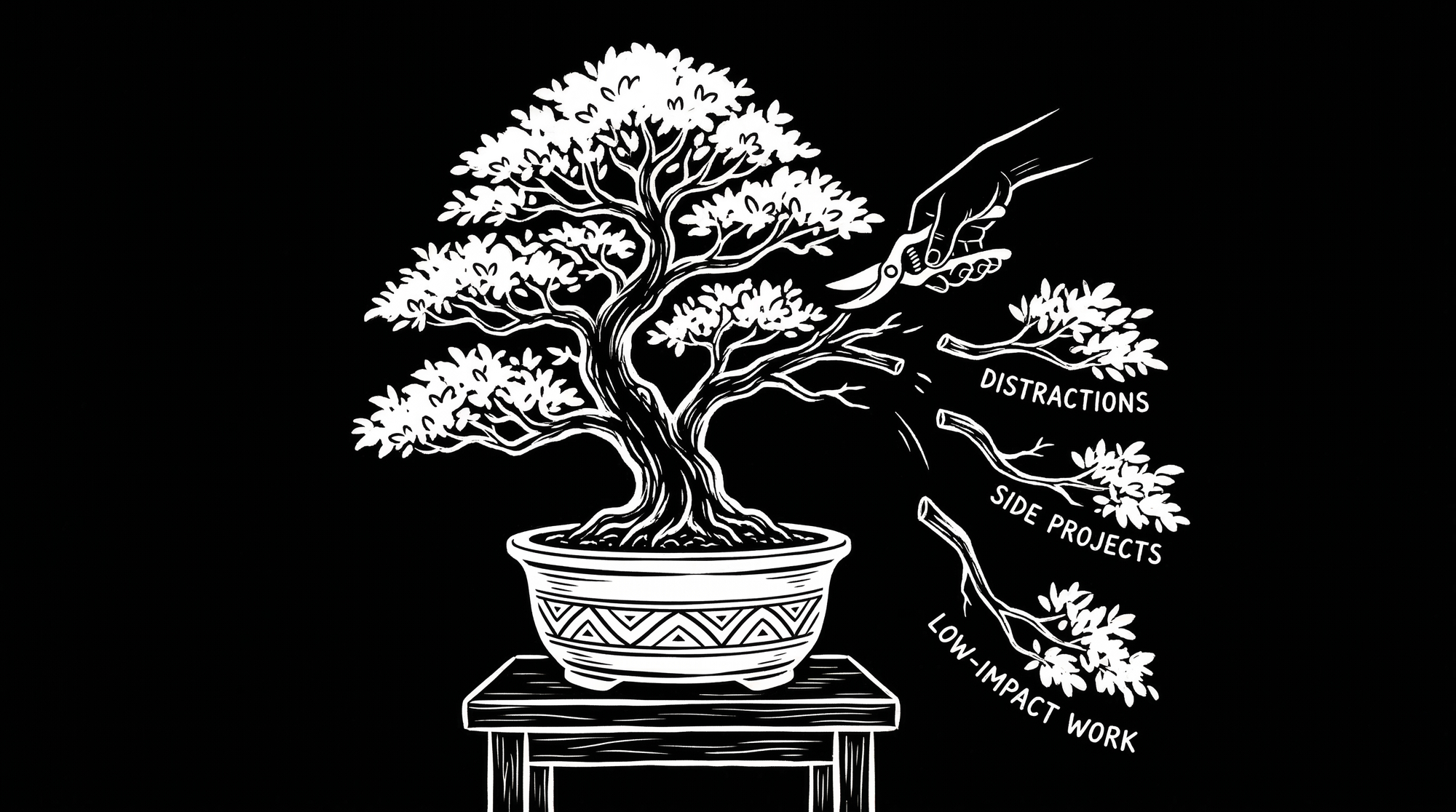
Running a venture studio means saying no to most ideas. Every yes to a new product is a no to depth on an existing one.
The most dangerous trap for builders isn't lack of ideas — it's too many. Protect your focus like you protect your codebase. Every commit should matter.
14. The Fear Paradox

I put off launching PingRoom publicly for longer than I should have. The beta was ready. The protocol worked. But the fear of public scrutiny kept me polishing instead of shipping.
The thing you're avoiding is almost always the thing that'll move the needle most. Ship it. Post it. Send the DM. The growth you want is hiding behind the discomfort you're dodging.
15. The Boredom Paradox

My best architectural decisions didn't happen at the keyboard. They happened on walks. In the shower. Driving.
We've optimized every spare second with podcasts, feeds, notifications. But your brain needs empty space to connect dots. Schedule boredom. It's not wasted time — it's where the real breakthroughs live.
16. The Speed Paradox

Rushing a database schema to ship faster? That's six months of migration pain later. Skipping the design review to hit a deadline? That's a rewrite in Q3.
Slow is smooth, smooth is fast. Take the time to think before you build. The founders who move fastest aren't the ones typing fastest — they're the ones who make fewer wrong turns.
17. The Talking Paradox
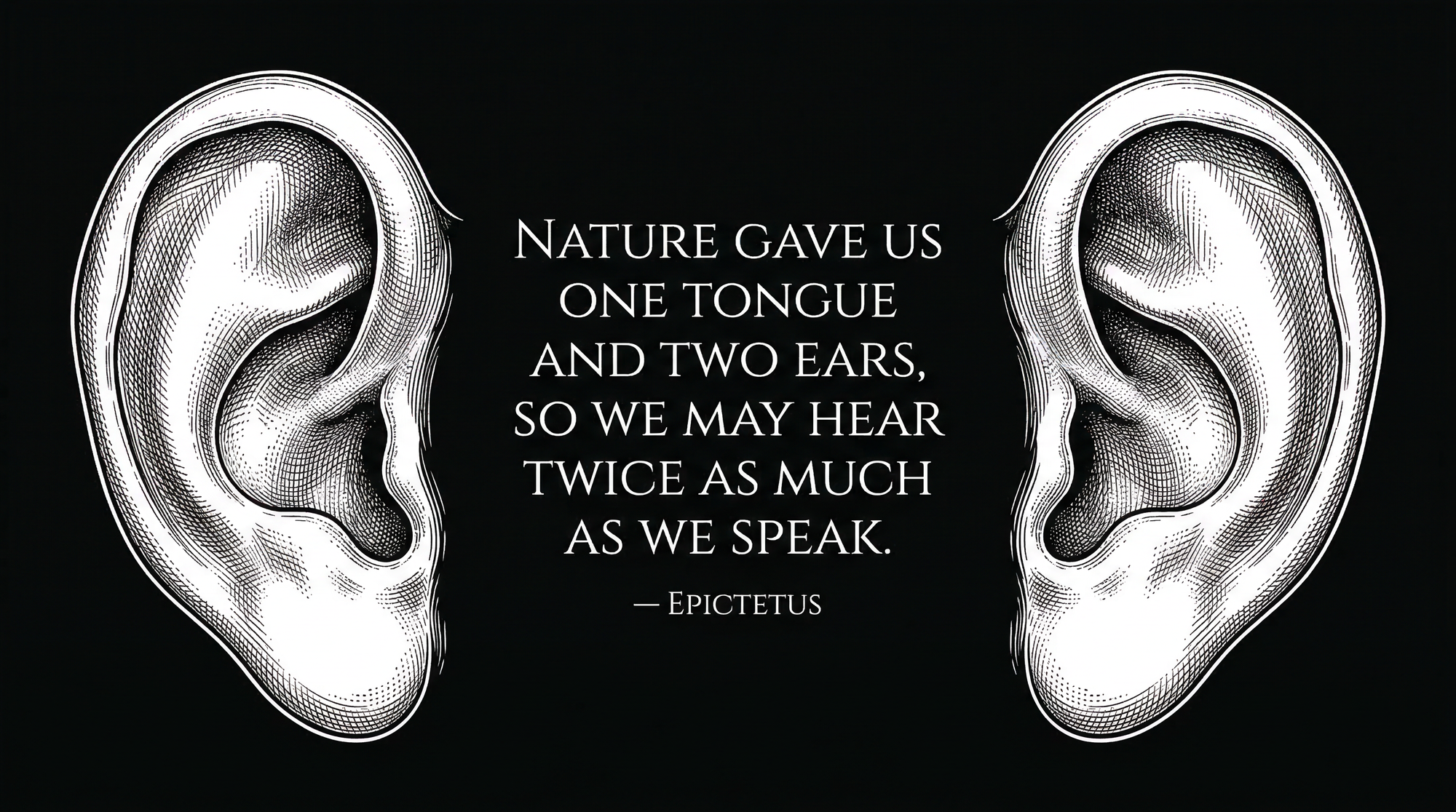
LinkedIn is full of people talking. Very few listening. The founders who build real networks aren't the loudest in the comments — they're the ones who ask the right questions and actually remember the answers.
Your words carry more weight when they're rare. Build in public, but don't narrate every breath. Show the work. Let the signal speak.
18. The Death Paradox

This one reframes everything. Time is the only resource you can't manufacture, optimize, or scale. Every product decision, every partnership, every hour spent on low-impact work — it's time you don't get back.
I don't build products because it's trendy. I build because the clock is ticking and this is the work that matters to me. Act accordingly.
These paradoxes aren't theory. They're the operating manual I keep coming back to. Two years later, every single one of them has proven itself in the trenches.
The question isn't whether you agree with them. It's whether you're living them.